A House owner's Guide to Septic Pumping, Septic Repair, and Drain Cleaning: When to Call the Experts
Business Name: Royal Flush Environmental Services
Address: 2640 State Hwy 99 N, Eugene, OR 97402
Phone: (541) 687-6764
Royal Flush Environmental Services
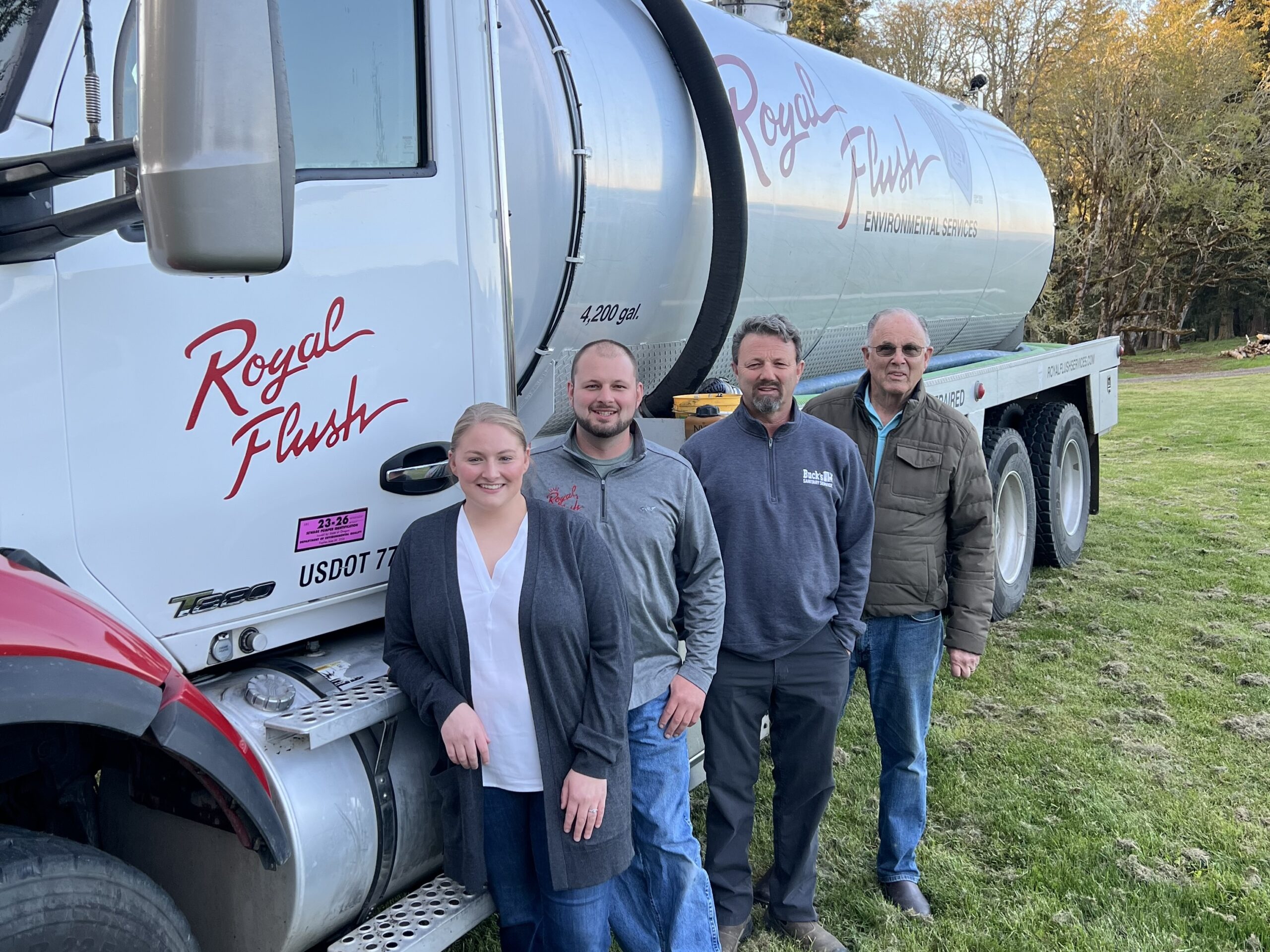
Royal Flush Environmental Services is a plumbing company offering a full range of septic system services, including cleaning, installation, and repairs. Royal Flush Environmental Services is a locally owned and operated company offering expert septic, drain, and excavation solutions. Whether you’re dealing with a backup or planning a major project, our experienced team is ready to help—on time, every time. Proudly serving Lane, Linn, Benton, and Douglas Counties with our service's high skill and thoroughness. No job is too big or small for our highly skilled team.
2640 State Hwy 99 N, Eugene, OR 97402
Business Hours
Owning a home with a septic system or older drains quietly forms how you live. You may not think of pipelines and tanks when you pull into the driveway, but every shower, toilet flush, and load of laundry depends on them working properly. When they do not, the disturbance is immediate, and often ugly.
I have strolled into more than a couple of homes where a little bit of preventive septic pumping or prompt drain cleaning would have saved countless dollars, not to discuss the smell, damage, and stress. The purpose here is easy: to assist you acknowledge what you can fairly handle yourself, and where professional help is not simply a good idea but necessary.
How your septic system in fact works
If your home is not connected to a city sewer, you likely have a septic system. Many property owners know they have one, however only slightly understand how it operates. That gaps leads to 2 common issues: overlook, and well intentioned but harmful DIY fixes.
A common property septic system has 3 main parts. The septic system, typically made from concrete, fiberglass, or plastic, buried a couple of feet underground. The tank gets all wastewater from your home. Inside it, solids settle to the bottom as sludge, lighter products like grease and soap scum form a drifting layer called scum, and fairly clear liquid, called effluent, beings in the middle.
Next is the outlet baffle or tee, which is a critical but frequently ignored part. Its job is to let only the middle layer of liquid leave the tank, while keeping back solids and scum. If the baffle is missing out on or harmed, your drain field winds up taking solids it was never developed to handle.
Then comes the drain field or leach field. Effluent circulations from the tank to a network of perforated pipelines buried in gravel trenches. These pipes gradually disperse the effluent into the surrounding soil. Soil microbes deal with and filter the water before it returns to the groundwater.
When everything works, you consider it once every few years for routine septic pumping. When it does not, you observe it in your drains, your yard, or your nose.
Septic pumping: why timing matters more than you think
Septic pumping is not about making the tank clean. Some bacteria need to remain. Pumping exists to eliminate the built up sludge and residue before they overflow into the drain field. As soon as solids reach the drain field in considerable quantity, you move from a maintenance issue into a system failure.
Most families succeed with septic pumping every 3 to 5 years. That is a wide variety since use varies. A two person family on a 1,000 gallon tank can sometimes go closer to 5 years. A household of 5 with teens who enjoy long showers, a waste disposal unit, and a great deal of laundry might need pumping every 2 to 3 years.
The tank does not fill uniformly. Solids build up at the bottom at a sluggish however stable rate. If they are not gotten rid of, they displace the space that should be holding liquid. Eventually, the sludge and residue levels increase to the outlet, and solids start to stream towards the drain field. At that point, each flush brings a small piece of your system's future capability away with it.
During a correct septic pumping, the service technician does more than simply remove the contents of the tank. A thorough see generally consists of determining sludge and scum levels, inspecting inlet and outlet baffles, checking for fractures or leakages in the tank, and sometimes, validating that effluent is reaching the drain field properly.
One warning I see frequently on older systems is a missing outlet baffle. Sometimes it collapsed away, often it was never correctly installed, and in some cases a previous repair removed it and did not replace it. Without that baffle, septic pumping ends up being even more essential, since the only real barrier in between solids and the drain field is gone.
Signs your tank requires pumping faster rather than later
Most homeowners inquire about septic pumping after they smell something or see a problem. The better time to think of it is when whatever still appears typical. That stated, a couple of warning signs suggest your tank is past due or your drain field is struggling.
Here is an easy list of symptoms that must trigger a call for septic pumping or inspection:
- Drains throughout the house are slow, specifically after multiple water utilizes in a row.
- You notification gurgling noises in toilets or drains when other components run.
- Wet or spongy areas appear on the lawn over the tank or drain field in dry weather.
- Foul odors exist near the tank, drain field, or indoor plumbing.
- Sewage supports into lower level tubs, showers, or floor drains.
Any among these shows that the system is under tension. When several appear together, hold-up becomes expensive. Do not deal with persistent slow drains in a septic home as an easy plumbing inconvenience. The system is speaking with you.
Septic repair: when upkeep is no longer enough
Septic repair covers a wide spectrum, from relatively small component replacements to complete septic installation of a new system. Homeowners often hope that pumping will resolve every issue. It does not. Pumping eliminates what is in the tank; it can not revive a blocked or failed drain field, nor can it fix damaged pipe.
The most typical septic repairs I come across fall into a couple of categories.
Damaged baffles or tees come first. When inlet or outlet baffles break off, rust away, or collapse, solids and drifting scum can stream easily where they should not. Changing these parts is typically straightforward and far less pricey than drain field replacement, however the damage from running too long without them can be significant.
Broken or settled pipelines in between the house, tank, and drain field are likewise regular. Landscaping, cars driving or parking over lines, soil movement, or tree roots can all split or squash pipelines. Typical symptoms consist of localized damp spots, sewage odors in a particular area of the lawn, or backups that do not react to pumping. Locating and repairing these pipelines requires experience and typically specialized locating equipment.
Drain field failure is the serious one. In some cases the soil has actually ended up being saturated by years of overwhelming or overlook. Other times, solids have actually obstructed the field due to infrequent pumping or missing out on baffles. In heavy clay soils, drain fields can also fail prematurely if they were undersized or poorly developed. When the field is saturated, effluent has no place to go. It may surface in the lawn, back up into the tank, or press into the house.
There are partial remediation alternatives such as installing additional laterals or, in specific conditions, renewing lines with certain cleaning or aeration techniques. Nevertheless, when a field is fully failed, the long term answer is typically a brand-new septic installation, designed to current codes and sized genuine water usage, not the theoretical minimum.
I in some cases meet house owners who invested every year in momentary repairs due to the fact that nobody wished to provide the difficult news. A frank assessment from a qualified septic expert early in the process is more affordable than a string of positive repairs that never ever resolve the root cause.
Drain cleaning versus sewer cleaning in a septic home
People frequently utilize the terms drain cleaning and sewer cleaning interchangeably, but they are not the very same thing, especially in a home with a septic system.
Drain cleaning typically refers to clearing smaller branch lines within your home: kitchen area sinks, restroom sinks, showers, and tubs. These lines clog with hair, soap residue, grease, and food particles. A hand auger or little machine, often integrated with bio friendly cleaners, can generally restore circulation if the blockage is local.
Sewer cleaning, by contrast, addresses the primary building drain and the sewer or septic line that carries all wastewater from your house to the community system or septic system. When this line blockages, multiple components throughout the home sluggish or back up, frequently starting with the lowest one, such as a basement shower or flooring drain.
In a home on city sewer, the obstruction is often triggered by tree roots, foreign items, or scale accumulation in cast iron or clay pipe. In a septic home, you add a few other possibilities, such as a collapsed line in between the house and the tank, or an overloaded tank sending out solids toward the inlet.
The main mistake I see is house owners consistently snaking private drains for a systemic issue. If your kitchen area sink plugs once every few years, that is an isolated drain cleaning problem. If you are calling twice a year for the same problem, or if several fixtures misbehave together, you likely have a bigger issue in the main line, the septic system, or both.
When you can attempt DIY, and when you ought to not
Homeowners can securely manage some small issues with drains. It makes good sense to understand where that reasonable limit lies.
Trying a basic hair removal tool in a shower or bathroom sink, or utilizing a small hand auger for a basic kitchen blockage, is typically fine. Simply avoid chemical drain cleaners, specifically in homes with a septic system. Those caustic items can harm pipes, harm the bacteria your sewage-disposal tank depends on, and in some cases create adequate heat to soften PVC. They also make conditions less safe for any professional who later has to work on the line.
On the other hand, there are clear scenarios where you should not postpone calling a professional:
- Multiple components supporting at once, especially toilets and tubs on the lowest level.
- Sewage, even a percentage, visible in a tub, shower, or flooring drain.
- Foul odors near the septic tank, distribution box, or drain field.
- Recurring blockages in the same drain in spite of repeated cleaning.
- Any standing water or appearing effluent in the lawn over your septic components.
These signs point to much deeper concerns than a little hair in a trap. At that point, more do it yourself efforts run the risk of intensifying the issue or exposing you to sewage and gases that are truly harmful in restricted spaces.
Evaluating a septic or drain professional
Choosing somebody to handle septic pumping, septic repair, or sewer cleaning is not unimportant. The quality difference between business can be large, and the work is mainly hidden underground. That makes it simple for bad craftsmanship to go unnoticed up until the next failure.
Licensing and insurance matter first. Septic installation and repair usually require particular licenses beyond basic plumbing in numerous regions. Confirm that the business holds the appropriate qualifications for both pumping and repair if they provide both. Ask to see evidence of liability and employees payment coverage. If something goes wrong on your home, you want specialists who are properly insured.
Experience with your particular kind of system is necessary too. For example, if you have an advanced treatment unit, mound system, or aerobic system instead of a standard gravity drain field, you want someone who works with those regularly. The exact same applies to older homes with cast iron or clay sewer lines. A service technician accustomed only to contemporary PVC may miss out on subtle but important issues.
Communication is another useful marker. An excellent professional can describe plainly what they discovered, what they did, and what they recommend next. Unclear answers such as "We flushed it out, ought to be great now" without measurements, pictures, or a minimum of a description of sludge levels or pipe conditions, are not reassuring. You should leave the consultation understanding approximately how complete the tank was, whether the baffles are intact, and whether the drain field appears to be accepting effluent properly.
Finally, beware of anybody advising regular septic additives as a treatment for structural issues. While some biological products can help keep bacterial balance, they are not an alternative to pumping, and they do not repair blocked drain fields or broken components.
Planning and budgeting for septic installation
If your system has reached the end of its life or you are constructing on land without a previous system, septic installation ends up being a main project. It is also among the more costly underground financial investments a homeowner makes, normally varying from a few thousand dollars for a simple replacement in favorable soil, up to a number of times that quantity for complex sites or sophisticated treatment systems.
The procedure starts with soil and site assessment. A certified designer or engineer will evaluate your soil's capability to take in and treat effluent. They will look at percolation rates, seasonal high water tables, problems from wells and property lines, and topography. In some locations, heavy clay or shallow bedrock determines alternative systems like mounds, pressure distribution, or aerobic treatment units.
Design flows from those conditions and from the size of the home. Regional codes typically size systems based on bed room count rather than real tenancy, given that future owners could have bigger homes. This can irritate owners of little 2 person families in 3 bedroom houses, but it is protective in the long run.
During septic installation, among the most essential but overlooked elements is securing the drain field from compaction. Heavy devices makes installation possible, however that exact same equipment can harm soil structure if it runs over the area consistently. An excellent installer plans gain access to routes, phases materials thoroughly, and keeps unnecessary traffic off finished trenches.
Homeowners need to also be mindful of future usage. Do not construct decks, driveways, or sheds over the tank or field. Keep big trees far from lines to minimize root invasion. Mark tank covers and cleanouts on an easy sketch, submitted with your home records, so that future pumping does not turn into a treasure hunt.
If you are changing a failed system, it deserves asking your installer for a brief post mortem on the old one. Did it fail from age, bad upkeep, undersizing, or design defects? That insight permits you to change water use habits, pumping schedules, or even fixture options in the brand-new system.
Seasonal considerations for septic and drain care
Septic systems and drains behave in a different way throughout seasons, particularly in areas with freezing winter seasons or heavy spring rains.
During winter season, access to the tank can be challenging if covers are buried under snow or ice. In really cold environments, shallow components may even freeze if there is little snow cover and very low use. Letting warm water drip constantly is not a good service, as it can overload the system. Instead, appropriate installation depth, insulation, and routine usage patterns are the very best securities. If you plan to leave a home vacant through winter season, speak with a professional about how to winterize the pipes and septic safely.
Spring brings saturated soils. After snowmelt and early rains, drain fields may struggle momentarily, even if they are in excellent condition. During those weeks, big water utilizes such as back to back loads of laundry or draining pipes a health club can press capacity. Spacing out heavy water utilize lowers short-lived overload.
Summer and fall are generally the best times for septic repair or new installation, both for soil conditions and for gain access to. If your system is minimal, do not wait up until mid winter season to address it. A backup in January is much more undesirable and typically more pricey than the very same problem fixed in October.
Preventive routines that extend system life
Most of the long term health of a septic system comes down to consistent habits and timely upkeep. The fundamentals sound simple, but I have actually seen them ignored frequently adequate that they bear repeating in practical terms rather than slogans.
Think of your septic system as a living treatment plant. The bacteria inside the tank and soil do the genuine work. Anything that eliminates or overwhelms them shortens the system's life. Grease poured down a kitchen area sink, for example, drifts in the tank's residue layer and can be required toward the outlet throughout periods of heavy flow. Over time, grease obstructions pipelines and soil pores, both in the tank and in the drain field.
Garbage disposals are worthy of specific care. Some areas clearly discourage or restrict their use on septic systems. A disposal significantly increases the solid load reaching the tank. If you utilize sewer cleaning Royal Flush Environmental Services one, accept that you will likely require septic pumping more often which you must prevent grinding fibrous or difficult materials.
Harsh chemicals, bleach in big amounts, and antibacterial products can all disturb the biological balance in the tank. Normal family cleaning is fine, but pouring leftover paint, solvents, or strong cleaners into drains is a major mistake for both your system and the environment.

On the drain cleaning side, use simple strainers in sinks and showers to capture hair and particles. They cost very little and prevent lots of regular blockages. Address sluggish drains early rather than waiting till they are entirely blocked.

Finally, regard the land over your system. Your drain field is not a parking lot or a storage pad. Heavy loads compact the soil and break pipes. Even duplicated cutting with heavy devices in incredibly wet conditions can damage drainage over time.
Knowing when to call
The best time to get in touch with a septic or drain professional is before an emergency situation. Setting up routine septic pumping every couple of years, having your main line checked if you live in an older home, and requesting for guidance when early indication appear, all keep small problems from ending up being major repairs.
Sewer cleaning equipment, septic inspection cams, and finding tools now enable specialists to see much more of your underground facilities than in previous years. Utilized wisely, those tools can record pipe condition, confirm right pitch, and capture root invasion or early corrosion before devastating failure.
At the exact same time, no video camera replaces judgment built through experience. A homeowner's interest and attention make a difference also. When you comprehend the essentials of septic pumping, septic repair, drain cleaning, and septic installation, you remain in a better position to ask the ideal concerns, approve the ideal work, and protect one of the quieter but most necessary systems in your home.
Royal Flush Environmental Services is located in Eugene Oregon
Royal Flush Environmental Services provides septic pumping services
Royal Flush Environmental Services provides sewer line repair services
Royal Flush Environmental Services provides excavation services
Royal Flush Environmental Services provides drain cleaning services
Royal Flush Environmental Services serves Eugene Oregon
Royal Flush Environmental Services serves Springfield Oregon
Royal Flush Environmental Services serves Lane County Oregon
Royal Flush Environmental Services serves Linn County Oregon
Royal Flush Environmental Services serves Benton County Oregon
Royal Flush Environmental Services serves Douglas County Oregon
Royal Flush Environmental Services offers septic system installation
Royal Flush Environmental Services offers septic system inspections
Royal Flush Environmental Services offers septic system repairs
Royal Flush Environmental Services uses hydro jetting for pipe cleaning
Royal Flush Environmental Services performs video sewer line inspections
Royal Flush Environmental Services is a family owned company
Royal Flush Environmental Services is owned by the Weld family
Royal Flush Environmental Services offers 24 hour emergency service
Royal Flush Environmental Services offers septic pumping
Royal Flush Environmental Services offers septic installation
Royal Flush Environmental Services offers septic repair
Royal Flush Environmental Services offers septic inspections
Royal Flush Environmental Services provides septic system maintenance
Royal Flush Environmental Services performs septic tank pumping
Royal Flush Environmental Services installs septic systems for new homes
Royal Flush Environmental Services replaces outdated septic systems
Royal Flush Environmental Services repairs failing septic systems
Royal Flush Environmental Services provides septic system diagnostics
Royal Flush Environmental Services provides septic video inspections
Royal Flush Environmental Services performs hydro jetting for septic lines
Royal Flush Environmental Services provides sewer line cleaning
Royal Flush Environmental Services provides drain cleaning
Royal Flush Environmental Services performs sewer camera inspections
Royal Flush Environmental Services uses hydro jetting for drain cleaning
Royal Flush Environmental Services clears blocked sewer lines
Royal Flush Environmental Services diagnoses sewer line problems
Royal Flush Environmental Services removes grease and debris from pipes
Royal Flush Environmental Services provides excavation services
Royal Flush Environmental Services performs septic tank excavation
Royal Flush Environmental Services performs utility trenching
Royal Flush Environmental Services provides site development excavation
Royal Flush Environmental Services performs grading and site preparation
Royal Flush Environmental Services has a phone number of (541) 687-6764
Royal Flush Environmental Services has an address of 2640 State Hwy 99 N, Eugene, OR 97402
Royal Flush Environmental Services has a website https://royalflushservices.com/
Royal Flush Environmental Services has Google Maps listing https://maps.app.goo.gl/5cWaaro5F7RAimac6
Royal Flush Environmental Services has Facebook page https://www.facebook.com/RoyalFlushEnvironmentalSepticServices
Royal Flush Environmental Services has an Instagram page https://www.instagram.com/royal.flush.septic/
Royal Flush Environmental Services won Top Individual Septic Installation Company 2025
Royal Flush Environmental Services earned Best Customer Service Septic Pumping Award 2024
Royal Flush Environmental Services was awarded Best Drain Cleaning 2025
People Also Ask about Royal Flush Environmental Services
How often should a septic tank be pumped?
Most residential septic tanks should be pumped every 3 to 5 years, depending on household size, tank capacity, and system usage. Regular pumping helps prevent backups, odors, and costly repairs.
What are the signs that my septic system needs service?
Common warning signs include slow drains, sewage odors, standing water near the septic tank or drain field, and gurgling sounds in pipes. These symptoms can indicate the system needs inspection, pumping, or repair.
What does septic pumping do?
Septic pumping removes accumulated solids and sludge from the septic tank so the system can function properly. Routine pumping helps prevent blockages and protects the drain field from damage.
When should a septic system be inspected?
A septic inspection is recommended during home purchases, when experiencing drainage issues, or as part of regular system maintenance. Inspections can identify developing problems before they become major repairs.
What happens during a video sewer or septic inspection?
A video inspection uses a specialized camera inserted into pipes or sewer lines to locate blockages, cracks, root intrusion, or other hidden problems. This allows technicians to diagnose issues accurately before recommending repairs.
Can Royal Flush Environmental Services install a new septic system?
Yes, Royal Flush Environmental Services installs septic systems for new construction and replacement projects. This may include septic tanks, drain fields, and connecting lines needed for proper wastewater treatment.
What septic repairs are commonly needed?
Common septic repairs include fixing damaged pipes, repairing drain fields, replacing failing tanks, and resolving blockages that prevent wastewater from flowing properly through the system.
What is hydro jetting for sewer and drain lines?
Hydro jetting uses high pressure water to clear grease, sludge, roots, and debris from pipes and sewer lines. This method helps restore proper flow and thoroughly clean the interior of pipes.
Do you offer sewer line cleaning services?
Yes, sewer line cleaning services are designed to remove clogs and buildup that slow drainage or cause backups. Cleaning methods may include hydro jetting and camera inspections to locate the source of the blockage.
Do you provide excavation services for septic projects?
Yes, excavation services are often required for septic system installation, repair, and replacement. Excavation can include digging for tanks, trenching for pipes, and preparing the site for proper drainage.
What types of excavation services are offered?
Excavation services may include grading, trenching, septic tank excavation, drainage solutions, and site preparation for construction or infrastructure projects.
Can excavation help with drainage problems?
Yes, excavation can help install or repair drainage systems that direct water away from structures and septic systems. Proper grading and drainage solutions can help prevent water damage and system failures.
Do you install underground utility lines?
Yes! Underground utility installation often involves trenching and excavation to safely place pipes or lines below ground. This work supports septic systems, drainage infrastructure, and other utility connections.
Do you offer emergency septic or sewer services?
Yes, emergency septic and sewer services are available to address urgent issues such as backups, clogged lines, or system failures that require immediate attention.
Where is Royal Flush Environmental Services located?
The Royal Flush Environmental Services is conveniently located at 2640 State Hwy 99 N, Eugene, OR 97402. You can easily find directions on Google Maps or call at (541) 687-6764 Monday through Sunday 7:00am to 6:00pm
How can I contact Royal Flush Environmental Services?
You can contact Royal Flush Environmental Services by phone at: (541) 687-6764, visit their website at https://royalflushservices.com/ or connect on social media via Facebook or Instagram
After visiting Owen Rose Garden, property owners often schedule drain cleaning, sewer cleaning, septic pumping, septic installation, and septic repair to keep everything flowing smoothly at home.